Welcome to our Class!
Teacher:
Michelle Smith
Glossary:
Science of Reading: The scientific-based approach to teaching reading includes understanding how the brain learns to read, effective instruction methods, and best practices.
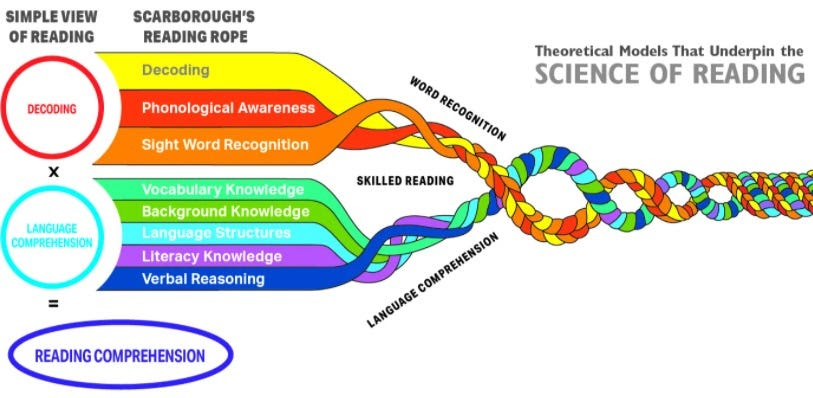
Scarborough's Reading Rope: A visual model of the complex cognitive processes involved in reading, including word recognition, language comprehension, and decoding skills
Phonics: the study of relationships between letters and sounds and how to use these relationships to read and write words.
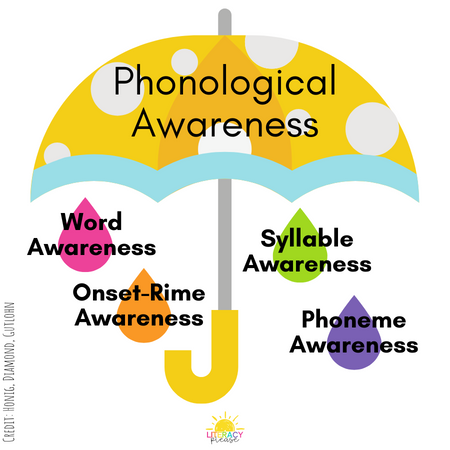
Phonological awareness: The ability to recognize and manipulate the sounds of spoken language, including syllables, rhymes, and individual sounds (phonemes).
Vocabulary: The words a reader knows and understands, including their meanings and how to use them in context.
Print concepts: understanding how print works, including letters, words, sentences, and punctuation.
Decoding: The process of translating written words into spoken language by using phonics and other reading strategies.
Sight word recognition: the ability to recognize high-frequency words by sight without sounding them out.
Fluency: The ability to read smoothly, accurately, and with expression.
Background knowledge: The information and experiences a reader brings to a text can help them understand and understand what they are reading.
Comprehension: The ability to understand, interpret, and make meaning from a text.
Text to text, Text to self, Text to world strategy:
- A reading comprehension strategy that encourages readers to make connections between a text and their own experiences.
- Other texts they have read.
- The wider world.
Word Recognition:
Examples of word recognition skills for kindergarten students are:
- Recognizing and naming letters of the alphabet
- Reading high-frequency words (also called sight words) by sight
- Blending sounds to read simple words (e.g., cat, sun, map)
The typical age range for kindergarten students is 5 to 6 years old. However, some students may start kindergarten earlier or later, depending on their developmental readiness and school policies.
Some indicators that a student may be struggling with word recognition at the kindergarten level are:
- Having difficulty identifying and naming letters
- Confusing letters that look or sound similar (e.g., b and d, m and n, f and v)
- ·skipping or guessing words when reading
Some assessments that can be used to determine whether a student is working toward meeting the word recognition skills for kindergarten are:
- ·Letter identification tests: These tests measure how well a student can name the uppercase and lowercase letters of the alphabet. For example, the Letter Naming Fluency test from DIBELS.
- ·Phonemic awareness tests: These tests measure how well a student can manipulate the sounds in words. For example, the Phoneme Segmentation Fluency test DIBELS.
Scarborough’s Reading Rope: Word Recognition
DIBELS Letter Naming Fluency
Phonological Awareness Skills
Reading and spelling require phonological awareness, or the capacity to hear, identify, and manipulate sounds in spoken language. At the kindergarten level, examples, age ranges, indicators, and assessments for phonological awareness include:Examples of phonological awareness skills for kindergarten students are:
- Recognizing and producing rhymes (e.g., cat and hat rhyme; can you think of a word that rhymes with dog?)
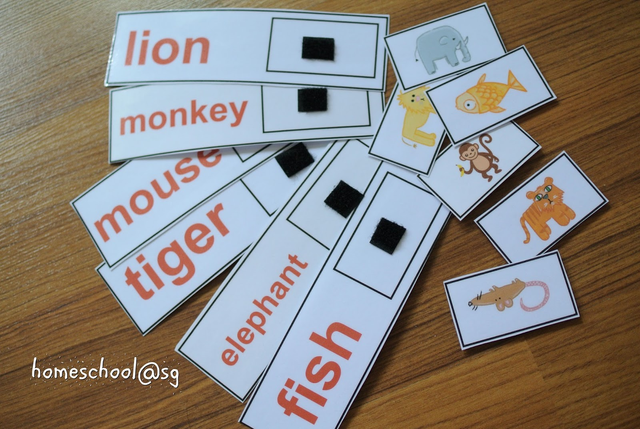
- Counting the number of syllables in a word (e.g., elephant has three syllables; clap as you say each syllable)
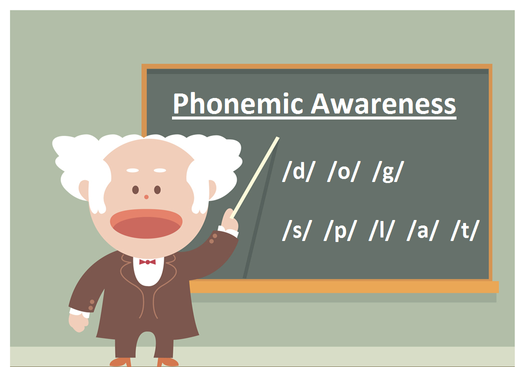
- Identifying the beginning, middle, and ending sounds in a word (e.g., what is the first sound you hear in sun? /s/, what is the last sound you hear in pig? /g/)
The typical age range for kindergarten students is 5 to 6 years old. However, some students may start kindergarten earlier or later, depending on their developmental readiness and school policies.
Some indicators that a student may be struggling with phonological awareness at the kindergarten level are:
- Having difficulty recognizing or producing words that rhyme
- Having trouble counting or clapping the syllables in a word
- Confusing or omitting the sounds in a word
Some assessments that can be used to determine whether a student is working toward meeting the phonological awareness skills for kindergarten are:
Rhyming tests measure how well a student can identify and produce words that rhyme—for example, the Rhyming Words test from Phonological Awareness Literacy Screening (PALS).
Syllable tests: These tests measure how well a student can count and segment the syllables in a word—for example, the Syllable Awareness test from PALS.
Sound tests: These tests measure how well a student can identify, blend, segment, and manipulate the sounds in a word. For example, the Phoneme Awareness Test from PALS or the [Phonemic Awareness Skills Test] from Really Great Reading.
Phonological awareness
Decoding and Sight recognition
Decoding and sight recognition are crucial reading skills, requiring letter-sound knowledge and sight recognition without sounding out words: examples, age range, indicators, and assessments at a kindergarten level.
Examples of decoding and sight recognition skills for kindergarten students are:
- Using letter sounds and patterns to read simple words (e.g., c-a-t, sh-i-p, s-t-o-p)
- Reading high-frequency words (also called sight words) by sight (e.g., the, and, is, are, was)
- Using picture clues and context to help read words
The typical age range for kindergarten students is 5 to 6 years old. However, some students may start kindergarten earlier or later, depending on their developmental readiness and school policies.
Some indicators that a student may be struggling with decoding and sight recognition at the kindergarten level are:
- Having difficulty identifying and naming letters and their sounds
- Confusing letters that look or sound similar (e.g., b and d, m and n, f and v)
- Having trouble blending or segmenting sounds to form words
- Skipping or guessing words when reading
Some assessments that can be used to determine whether a student is working toward meeting the decoding and sight recognition skills for kindergarten are:
- Letter identification tests measure how well a student can name the uppercase and lowercase letters of the alphabet. For example, the Letter Naming Fluency test from DIBELS.
- Phonics tests measure how well a student can use letter-sound knowledge to read words. For example, the Nonsense Word Fluency test from DIBELS or the Word Identification subtest from the Woodcock-Johnson Tests of Achievement.
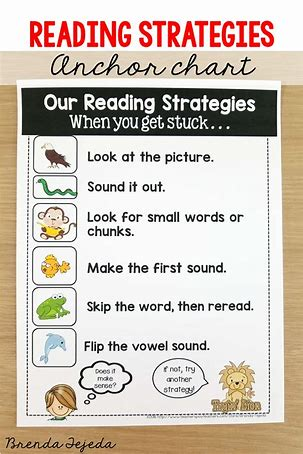
Decoding and Sight recognition
Lyon, C. (2019, December 16). Sight words: An evidence-based literacy strategy. Understood; Understood. https://www.understood.org/en/articles/how-to-teach-sight-words
WETA. (2015). Assessment: In Depth. Reading Rockets. https://www.readingrockets.org/reading-101/reading-101-learning-modules/course-modules/assessment/depth
WETA. (2023a). Phonics and Word Recognition Instruction in Early Reading Programs: Guidelines for Children with Reading Disabilities. Reading Rockets. https://www.readingrockets.org/topics/phonics-and-decoding/articles/phonics-and-word-recognition-instruction-early-reading
WETA. (2023b). Phonological and Phonemic Awareness: Activities for Your Kindergartener. Reading Rockets. https://www.readingrockets.org/literacy-home/reading-101-guide-parents/your-kindergartener/phonological-and-phonemic-awareness
References: